


You're doing everything right. Early bedtime, dark room, no screens. Seven, maybe eight hours of sleep. And yet you wake up feeling like you barely slept at all. The missing variable might not be your sleep habits — it might be what's happening in your blood vessels while you're unconscious.

Most conversations about sleep quality focus on the obvious: screens, caffeine, stress, room temperature. These things matter. But there's a deeper layer that rarely gets discussed — the quality of blood flow to your brain and muscles during the night, and how much that determines whether your body actually repairs itself while you're unconscious.
After 40, this layer becomes harder to ignore. And it explains a lot.
What your body is actually doing while you sleep
Sleep isn't a passive state. It's when your body runs its most intensive maintenance programs — and almost all of them depend on circulation to function.
Cardiovascular recovery begins
Heart rate slows and blood pressure drops — giving your cardiovascular system its only real rest period of the day. Blood vessels begin to repair micro-damage from daily stress and activity.
Muscle repair and hormone release
Growth hormone surges — but it needs adequate blood flow to deliver it to muscles. This is when tissue repair happens. Poor peripheral circulation means this window is largely wasted.
Brain flush and cognitive reset
The glymphatic system — your brain's overnight cleaning mechanism — activates during REM. It relies on cerebrospinal fluid flow, which is driven in part by healthy cerebral blood circulation.
The problem: all three of these stages require adequate circulation to deliver their full benefit. And for men whose vascular function has declined, the body goes through the motions of sleep without the restorative payoff.
The signs your nighttime circulation is letting you down
 Most men don't connect these symptoms to circulation — they chalk it up to stress, age, or just "how it is now." But the pattern is consistent:
Waking up stiff and sore. If muscles feel worse in the morning than they did before bed, it's often a sign that overnight blood delivery wasn't sufficient to clear metabolic waste products or deliver repair signals to recovering tissue.
Morning brain fog that takes hours to lift. The glymphatic system depends on blood flow to flush the brain overnight. When that flow is compromised, you wake up with the cognitive equivalent of a room that wasn't cleaned — cluttered and slow.
Cold feet disrupting sleep. Cold extremities at night are a direct symptom of poor peripheral circulation. The discomfort keeps you in lighter sleep stages, preventing the deep sleep your body needs to repair.
Waking at 2–4am for no clear reason. Blood pressure fluctuations caused by vascular instability can trigger micro-arousals — brief moments of waking that disrupt sleep architecture without you remembering them.
How circulation support changes the overnight equation
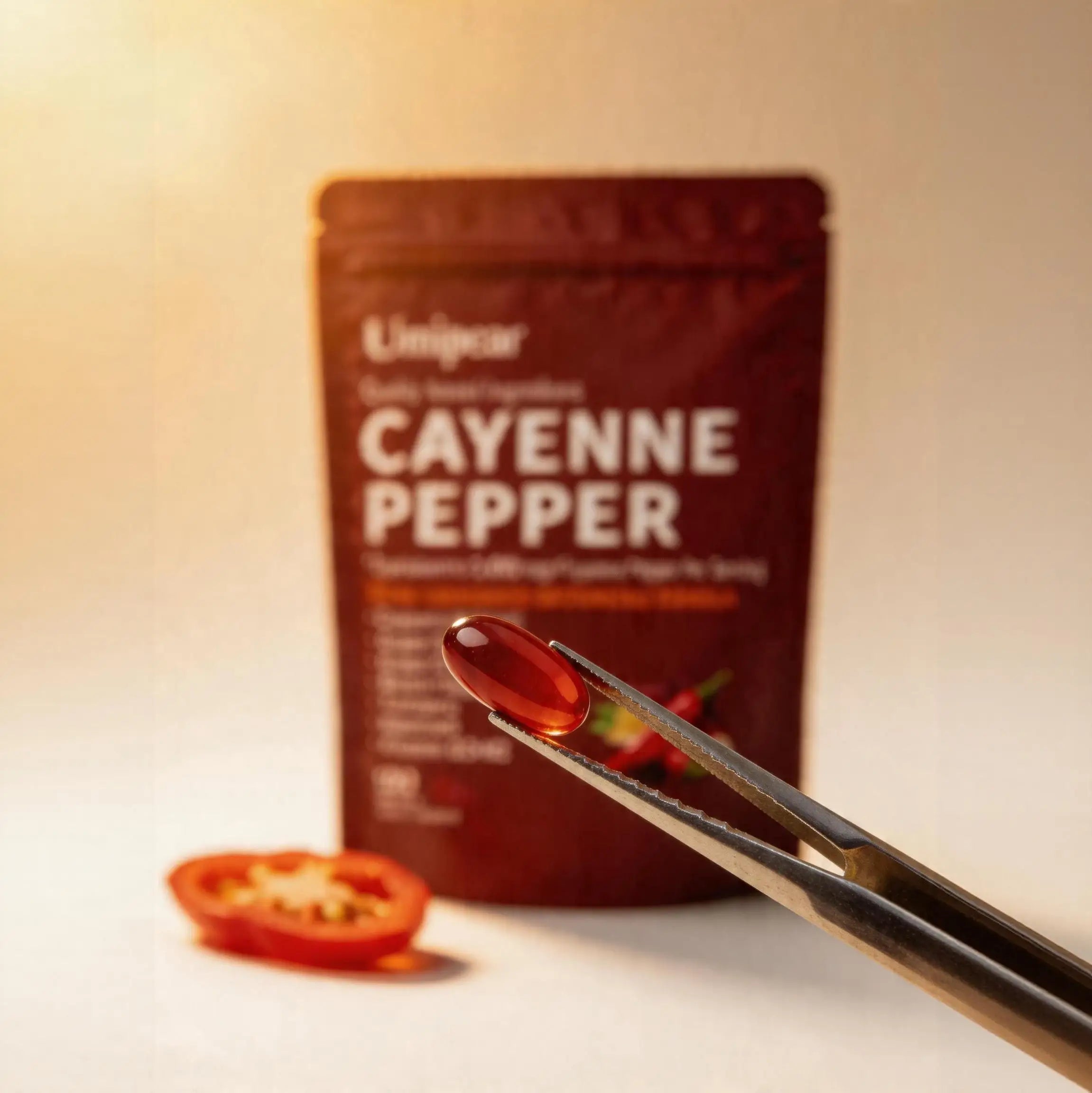
Here's where the counterintuitive part comes in. Cayenne — a warming, activating botanical — is most commonly associated with daytime energy and thermogenesis. But its mechanism of action has a direct and underappreciated role in overnight recovery.
Capsaicin, the active compound, triggers nitric oxide release via TRPV1 receptor activation. Nitric oxide relaxes and widens blood vessels — and critically, its effects persist well beyond the initial activation window. Taking a well-formulated cayenne softgel in the early evening means your vessels enter the night in a more relaxed, open state.
The result: better blood delivery to peripheral muscles during deep sleep, more efficient cerebral blood flow during REM, and warmer extremities that stop disrupting your lighter sleep stages.
The evening routine that actually works
Circulation support for sleep isn't about a single supplement — it's about stacking a few simple habits that work together. Here's a routine built around the science:
Eat a nitrate-rich dinner
Leafy greens (arugula, spinach), beets, or citrus are high in dietary nitrates that feed overnight NO production. Pair with a moderate-fat meal — fat improves absorption of fat-soluble compounds like cayenne's capsaicin.
Take your cayenne softgel
Two to three hours before bed gives the formula time to absorb fully and begin the vasodilation process before you sleep. Avoid taking it right before lying down — some people experience mild warmth that takes 30–40 minutes to settle.
Light movement or stretching
A 15-minute walk or gentle yoga sequence drives blood into the extremities and helps clear residual metabolic waste from muscles. This compounds the effect of improved vascular tone from the formula.
Warm foot soak (optional but effective)
Warm water dilates peripheral vessels in the feet and lower legs — temporarily improving circulation to extremities. Combined with improved systemic nitric oxide levels, this is a practical way to prevent cold feet from disrupting sleep onset.
Sleep in a cool room
Core body temperature needs to drop 1–2°F to initiate deep sleep. A cool room (65–68°F) supports this drop. With better peripheral circulation, your extremities stay warm enough for comfort while your core cools efficiently.
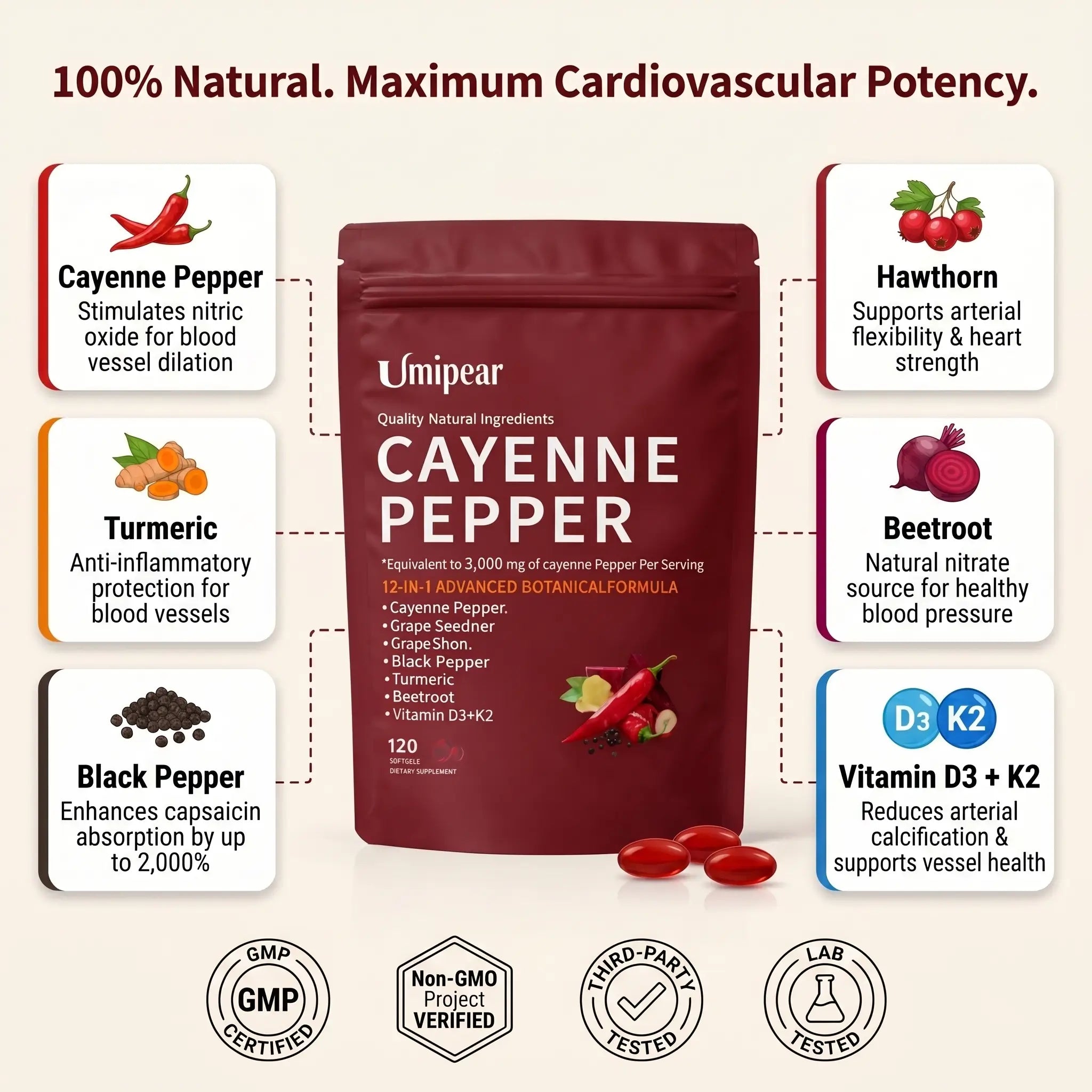
Why the formula matters for nighttime use
Not every cayenne supplement is appropriate for an evening routine. A few things to look for:
Cayenne Pepper (40,000 SHU) Vasodilation
Softgel delivery is essential for evening use — powder capsules can cause gastric irritation that disrupts sleep onset. A liquid glycerin base absorbs cleanly without the stomach discomfort.
Beet Root Extract Overnight NO
Nitrates from beet root convert to nitric oxide via a salivary pathway that remains active during rest — making evening timing particularly effective for sustained overnight vascular support.
Turmeric Root Anti-inflammatory
Curcumin in turmeric has well-documented anti-inflammatory properties that complement overnight tissue repair. It also buffers cayenne's gastric intensity — important for a formula taken close to sleep.
Panax Ginseng Adaptogen
At lower evening doses, ginseng supports adrenal recovery rather than stimulation — helping regulate the cortisol curve that governs sleep depth and morning alertness.
Ceylon Cinnamon + Berberine Blood Sugar
Blood sugar spikes during the night — often from a late dinner — are a common cause of 2–4am wake-ups. Both ingredients support stable overnight glucose, reducing this disruption.
*Based on customer survey data from Umipear users.
The bottom line
Sleep duration is not the same as sleep quality. You can spend eight hours in bed and still wake up running on empty — if the underlying circulation that powers your body's overnight repair system isn't working well.
For men over 40, improving vascular function isn't just a daytime strategy. It's how you make sleep actually count.

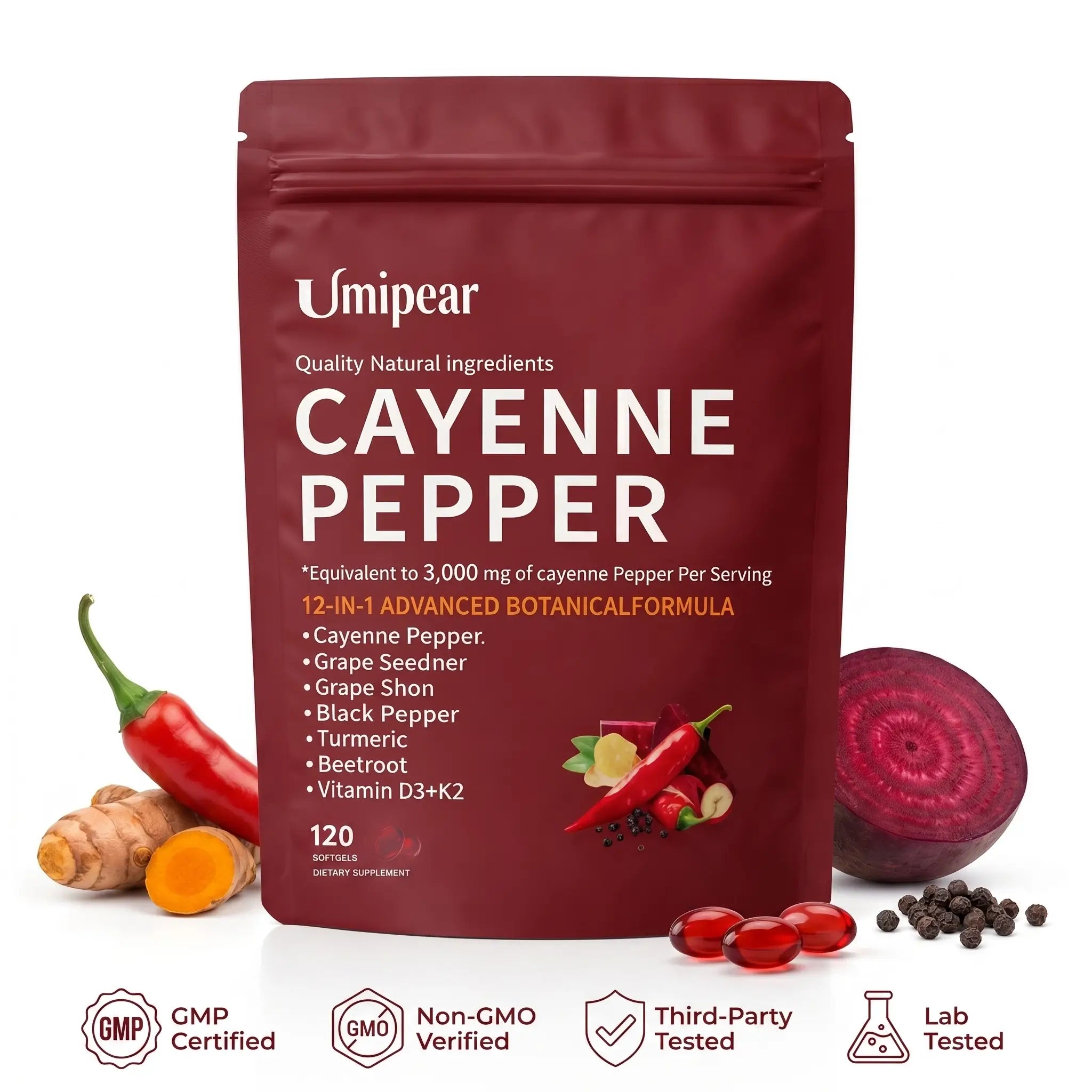
Men's Cayenne Softgels — formulated for daytime performance and overnight recovery. Eight plant-based ingredients, third-party tested, softgel delivery that works without the stomach discomfort.
Try Men's Cayenne Softgels →30-day money-back guarantee · Free shipping available
These statements have not been evaluated by the Food and Drug Administration. This product is not intended to diagnose, treat, cure, or prevent any disease. Always consult your physician before starting any new supplement regimen.
